
As an aspiring teacher in British Columbia, I believe that teaching about Indigenous art is a powerful way to help students build understanding, respect, and connection with Indigenous cultures. Visual art provides students with an accessible and creative entry point to learn about Indigenous identity, storytelling, and cultures. However, as teachers, we must approach these lessons with care to make sure that we are teaching about the art forms, not reproducing or appropriating cultures or cultural symbols.
Connecting to the BC Curriculum
The BC Curriculum strongly supports the integration of Indigenous perspectives in many subject areas. In the Arts Education K–7 curriculum, students are encouraged to:
- Explore a variety of materials and processes, including traditional and contemporary art forms.
- Develop awareness of how art is tied to personal and cultural identity.
- Recognize the role of the arts in reflecting diverse worldviews and traditions.
This means that learning about Indigenous art forms is a real and meaningful way to teach the curriculum. Indigenous art connects naturally to the Big Ideas such as:
- Engaging in creative expression and experiences expands people’s sense of identity and belonging (Grade 5).
- Creative expression develops our unique identity and voice (Grade 2).
- The arts connect our experiences to the experiences of others (Grade 3).
These big ideas create opportunities for us as teachers to teach about Indigenous artists and art styles from the past and present.
Cross Curricular Exploration
Beyond the Arts Education curriculum, Indigenous art can also be integrated meaningfully into other subject areas:
Social Studies:
Indigenous art is deeply tied to place, history, and identity, making it a natural fit within Social Studies.
Language Arts:
Storytelling is at the heart of many Indigenous art forms. Visual art can become a bridge to explore Indigenous oral traditions, legends, and contemporary stories.
Teaching Northwest Coast, Inuit, and Métis Art Respectfully
Northwest Coast Art
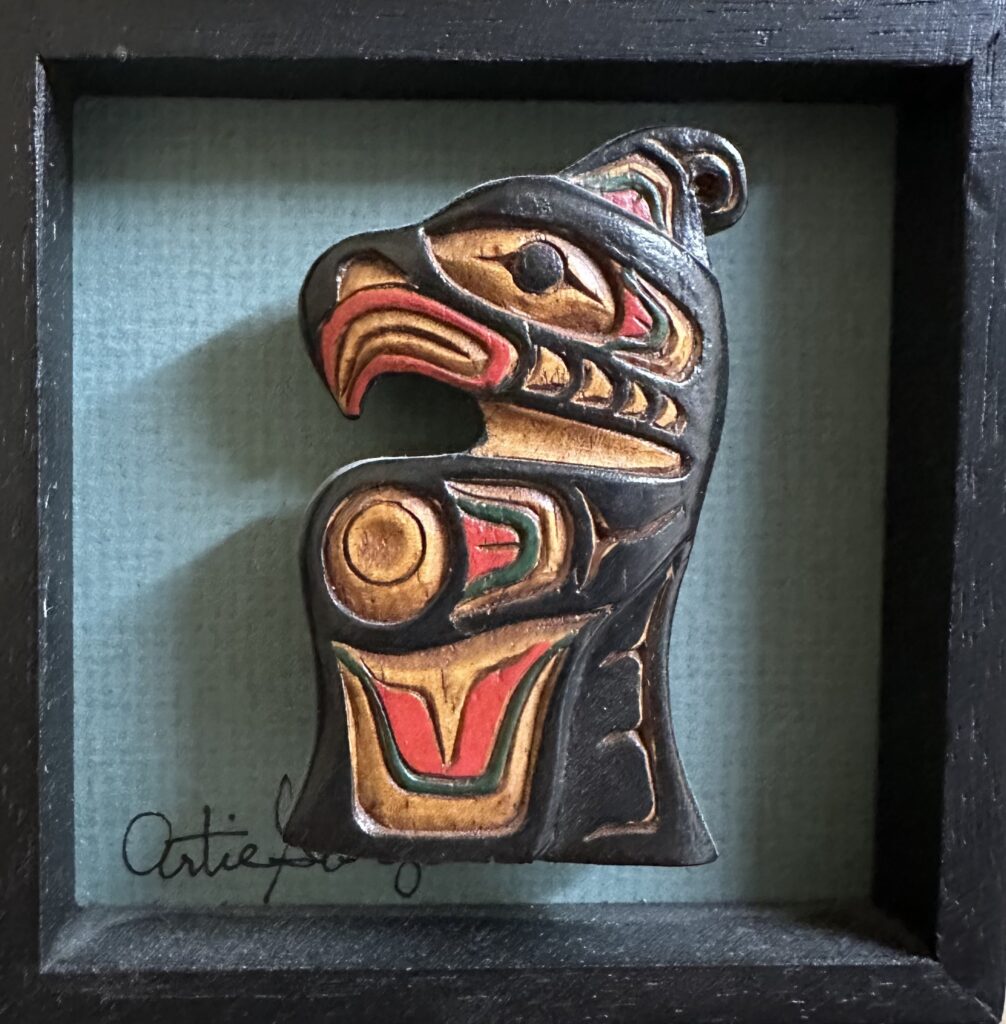
When teaching about Northwest Coast art, I can focus on the elements of design, such as formline, ovoid, and u-shape, and how they work together to tell stories and represent family crests or clans. Instead of asking students to copy totem poles or family crests, I could:
- Study the shapes and symmetry used by artists.
- Have students create their own animal design inspired by the style, using their own story or symbol of identity.
- Explore the idea of “visual language”, how colors, shapes, and patterns communicate meaning.
Inuit Art
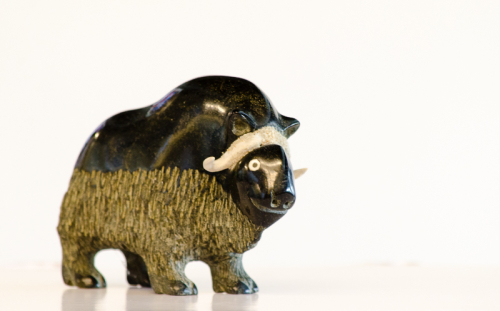
Ipellie Seepee, Muscox, unkown date, black stone sculpture
Inuit art often features sculpture, printmaking, and imagery tied to the northern landscape and traditional life. In the classroom, this could look like:
- Viewing Inuit prints and carvings and discussing the stories they tell about the land, animals, and daily life.
- Creating art inspired by Arctic landscapes, focusing on texture, shape, and contrast rather than replicating sacred imagery.
- Learning about the materials used (stone, soapstone, bone) and exploring safe, age-appropriate materials to mimic those textures.
Métis Art
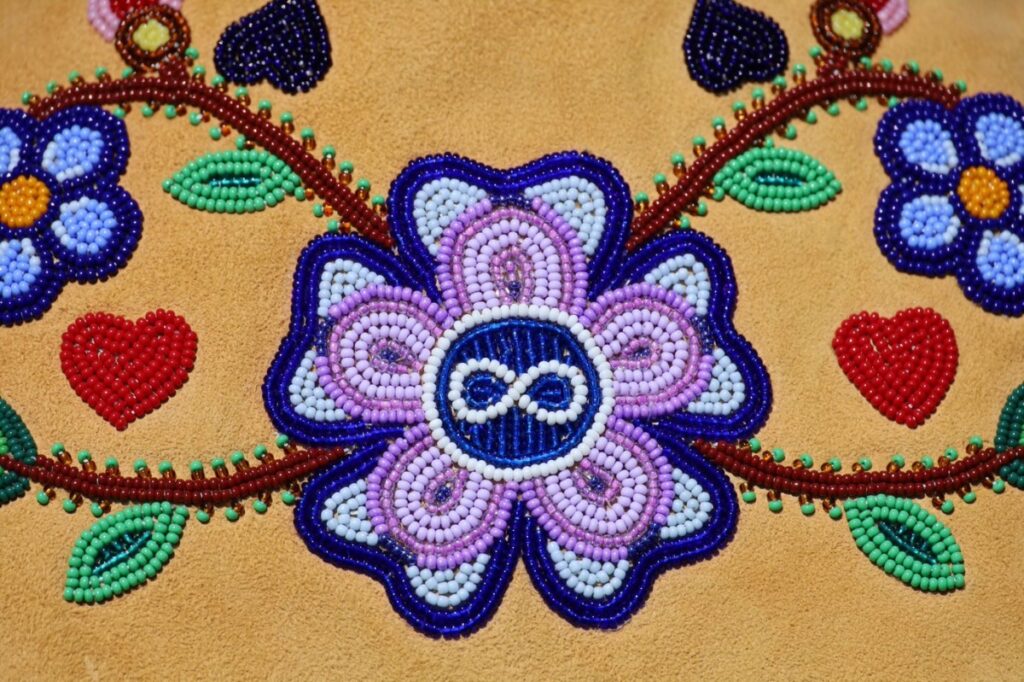
As a Métis aspiring teacher, I feel a special connection to teaching Métis art. Beading, embroidery, and floral designs are central to Métis artistic traditions. Because of my Metis ancestry I feel a bit more comfortable teaching this art form to my students. Some of the ways I plan to incorporate Metis art include:
- Explore the symbolism of the Métis sash and its history.
- Teach simple beadwork or painted dot art versions of bead patterns to highlight pattern, color, and symmetry.
- Discuss how Métis art is a blend of Indigenous and European influences, just like Métis identity.
Avoiding Cultural Appropriation
When teaching Indigenous art, it’s important to approach it with respect and care to avoid cultural appropriation. Some ways I plan to do this include:
- Teach the meaning and purpose behind the art form before doing any hands-on activities.
- Avoid using sacred symbols, ceremonies, or family designs.
- When possible, invite local Indigenous artists or Elders to share their perspectives or co-teach lessons and always remember to thank them for their time in meaningful ways.
- Be genuinely involved in Indigenous communities. Don’t expect community members to support your class if you haven’t taken the time to build relationships or participate in their community.
- Emphasize inspiration, not imitation, students can learn from Indigenous design principles to create their own unique works.
This video highlights important Indigenous arts protocols to keep in mind when teaching about Indigenous art and culture. I’ve also included the supporting document that accompanies the video, available here.
Final Thoughts
Teaching Indigenous art in BC classrooms is something I’m really excited about. I believe it’s a wonderful way to nurture both creativity and cultural understanding. When these lessons are taught with respect and authenticity, students can begin to see that art is more than just making something beautiful, it’s about sharing who we are and where we come from. As a Métis aspiring teacher, I’ve always felt a connection to Indigenous art, and bringing it into my classroom feels meaningful and natural. Through my teaching, I hope to inspire students to appreciate Indigenous cultures and to see art as a way to build understanding and connection within all of our communities.
Resources
I’ve gathered a list of resources below to help you bring Indigenous art into your classroom in ways that are both respectful and meaningful.
- Ottawa Art Gallery’s Contemporary Indigenous Art document for elementary school
- Ottawa Art Gallery Website
- Bill Reid Exploring Identity (Bill Reid Foundation) : A grade four lesson plans that combine visual arts & social studies. When teaching about Haida art or Bill Reid’s work, it’s important to guide students toward appreciation, not imitation.Real Haida crests are sacred and belong to specific families. Encourage students to create their own identity based art inspired by Haida design principles, rather than reproducing Haida imagery or symbols.
Sorry, but comments are not enabled on this site.