
From Screens to Scenes: Engaging Every Learner with Virtual Field Trips

This group researched how virtual field trips (VFTs) can make learning more accessible by overcoming financial, physical, and logistical barriers while still offering rich, engaging experiences. They highlighted current and emerging technologies such as Augmented Reality (AR), Virtual Reality (VR), and AI that can immerse students in different environments and expand into multi-sensory experiences with haptic feedback in the future. Using the UDL framework, they explained how VFTs support multiple means of engagement, representation, and action/expression by offering choice, multimodal content, and varied ways for students to show their learning. The group also emphasized the benefits of VFTs for accessibility, cultural exposure, critical thinking, creativity, and community building through shared exploration and reflection.
High Tech Low Tech No Tech
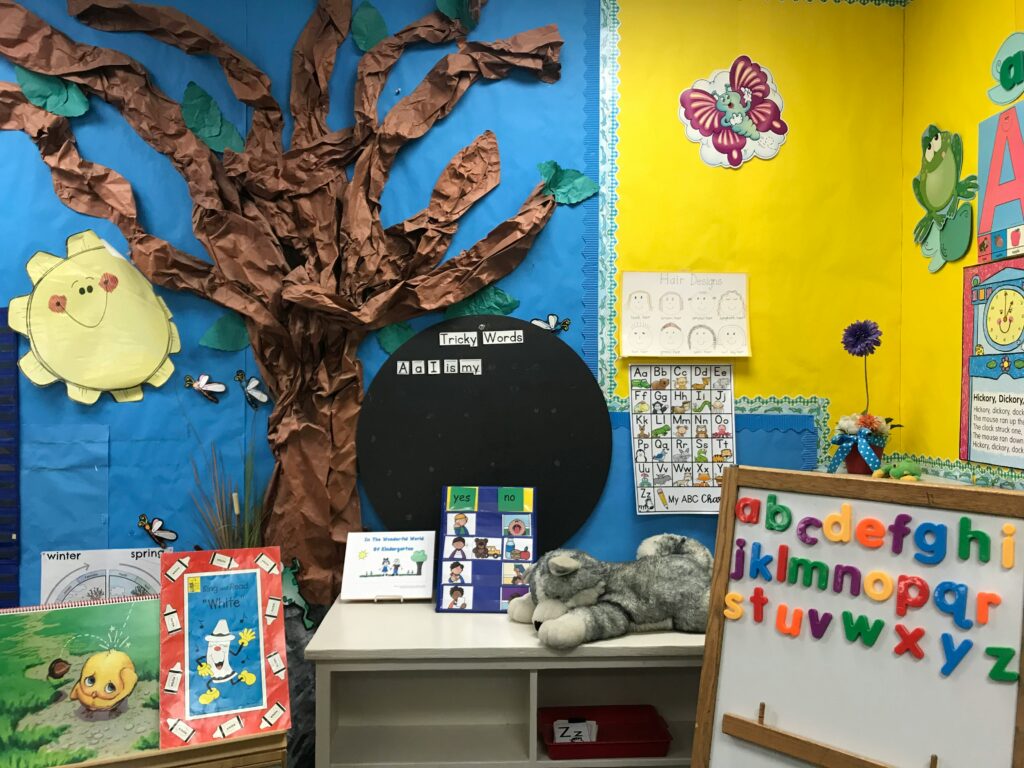
The presentation explained the use of high-tech, low-tech, and no-tech classrooms. High-tech options such as tablets, laptops, apps, and virtual field trips can boost engagement, support inclusive learning, and build digital literacy, but also risk increasing screen time and distractions. Low-tech tools such as fidgets, visual cues, and noise-cancelling headphones are simple, affordable, and durable, though they may lack features and widen gaps between students with and without access to technology. No-tech approaches rely on physical materials and hands-on interaction, reducing screen time and fostering communication and problem-solving, but may not meet the needs of students who depend on digital aids. Ultimately, teachers should aim for a balance that fits their students and remain flexible!
Finding the Balance: Exploring Intentional Technology Integration for Meaningful Student Engagement

This group’s presentation highlighted the importance of intentional tech integration that enhances learning without replacing communication, creativity, movement, or deep thinking. While digital tools can increase accessibility, especially in literacy, teachers must ensure students still engage in authentic, hands-on experiences. Maintaining balance is crucial for developing critical thinking so students don’t become overly dependent on technology. The presenters also noted cognitive concerns: excessive screen time can impact attention, self-regulation, sensory processing, and overall learning readiness. This group created a website that explores how to strike a meaningful balance in students’ use of technology.
Technology and Student Safety

This group explored how technology can enhance student safety during school emergencies and everyday risks. They discussed tools like security cameras and systems, which can deter vandalism and bullying, support faster emergency response, and build parent and student confidence. They also noted concerns such as high costs, technical failures, and loss of privacy. The group also examined predictive analytics, emergency communication apps, and web-filtering tools like Securly that help identify threats and keep students safe online. They emphasized the need for ongoing training, regular updates, and not relying solely on technology to keep us safe. To share their findings, the group also created a website showcasing their research and recommendations.
Sorry, but comments are not enabled on this site.